


Apart from providing a salty taste, salt also plays an important role in the human life process, such as regulating the water balance in the body, participating in the absorption and transport of nutrients, maintaining the ion concentration difference between inside and outside cells and the ph balance in the body, among other functions.
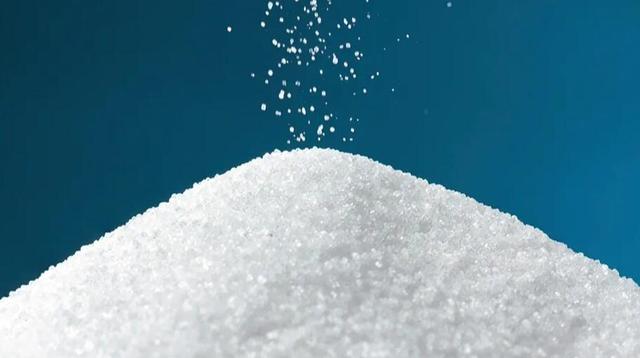
As you can see, salt is an essential substance for human beings. In fact, if we do not consume enough salt, our bodies will suffer from various adverse effects such as weakness of the limbs, muscle cramps and dizziness. Fortunately, we are clever enough to have mastered the method of extracting salt in large quantities from nature, and we can easily satisfy our body's need for salt by simply adding some salt to our food in normal times.

However, as far as we know, wild animals in nature do not have the habit of "Salting", but they are doing just fine. So the question is, why do wild animals not need to eat salt, but humans do? What makes humans so special?
Other animals need salt too, in fact, humans provide salt to their livestock when they are kept, and some people even put a large block of salt directly on their cattle and sheep for them to lick.
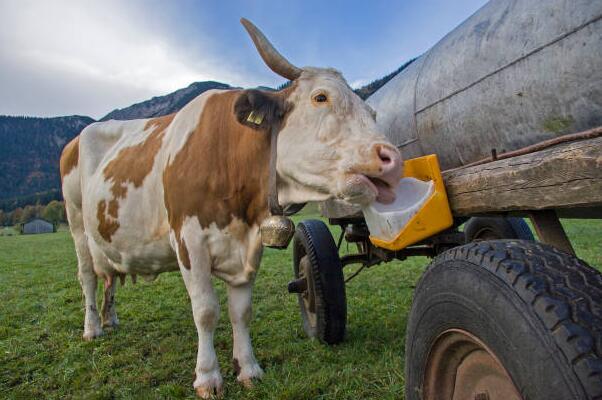
Wild animals do not have the benefit of humans, so they have to eat salt on their own, but salt is widespread in nature and after a long period of evolution, all the wild animals that exist on earth have a way of finding it in nature, and the easiest and most direct way is to "Eat the earth".
In fact, the earth's crust itself is a natural source of minerals, and many soils and rocks contain a certain amount of salt, and anyone who has observed sheep and cattle closely will know that they often "Eat the soil" Or lick the rocks as they graze, in order to obtain the salt, and this is also a common way for wild animals (especially herbivores) to obtain salt. This is also a common way for wild animals (especially herbivores) to obtain salt.
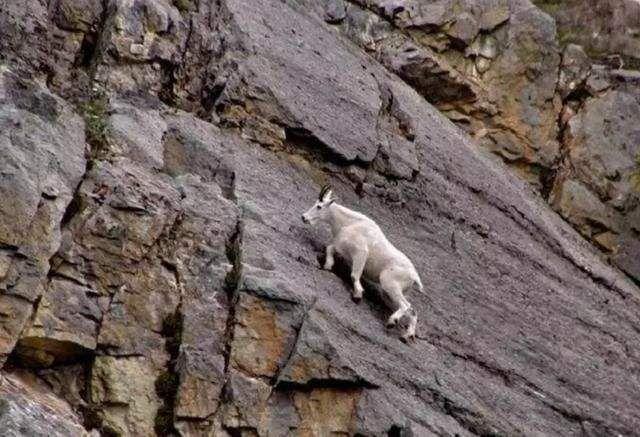
(pictured is a goat licking a rock on a cliff to get at the salt in the rock)
For carnivores, salt is relatively simple to obtain as it is present in their food (animal meat) and contains enough salt to meet the carnivore's own needs, so carnivores usually do not need additional means of salt intake.

By the way, many animals have underdeveloped sweat glands and most of their salt is excreted in the urine through the kidneys, so these animals should not consume too much salt or they will suffer kidney damage (pet owners need to be aware of this).
It's not that wild animals don't need salt, they are just not smart enough to add salt directly to their food like humans do and have to 'sneak it in', which gives us the illusion that they don't need it. It is important to note that humans are indeed special when it comes to salt, and that they need it more than other animals, relatively speaking.
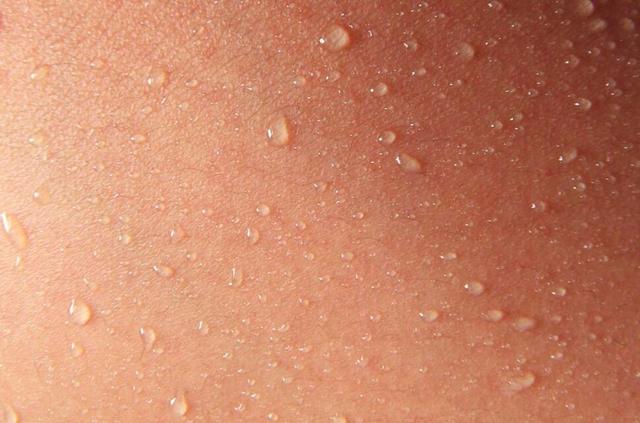
The main reason for this phenomenon is that humans have well-developed sweat glands and sweat very easily, usually in large quantities after a certain degree of exercise.
In order to catch their prey on the grasslands, they adopted a special method of tracking their prey by running long distances until they were exhausted.
Humans' well-developed sweat glands are the result of this, which effectively helps humans to lower their body temperature during long runs, thus dramatically increasing their endurance and allowing them to run longer and further. Although the powerful long-distance running ability helps humans survive in the grasslands, it also makes them need more salt, after all, the sweat secreted contains quite a lot of salt.

After the transition from a nomadic gathering life to a sedentary farming life, the structure of human food changed considerably, with the proportion of meat being drastically reduced, and when the salt contained in food could not meet the human need for salt, humans had to eat salt to replenish their body's needs.
Over time, mankind became accustomed to the saltiness of salt and thought that food that was salty enough tasted better, so salt developed into an essential condiment for mankind, and it was usually preferred to add some salt to food, as it still is today.